What are the fire risks associated with lithium-ion batteries?

Thermische Instabilität

Kurzschluss

Überladen & Überentladung

Fremdpartikel
What are the special features of lithium-ion battery fires?
The term “thermal runaway” describes a self-reinforcing process of overheating in a battery, which leads to an uncontrolled rise in temperature. Due to their chemical properties and design, lithium-ion batteries are particularly at risk.
Since the materials involved in the chemical reaction are tightly integrated into a cell and the cell itself is often well insulated for protection and part of a larger battery module, firefighting becomes a challenge. Extinguishing agents usually do not penetrate the interior of the cell, but can only create an atmosphere that prevents the fire from spreading.
Lithium-ion batteries consist of several substances that can be used as fuel. This makes it difficult to predict the spread and development of a lithium-ion fire and further limits the choice of a suitable extinguishing agent. Not every extinguishing agent is suitable for every fire class.
With lithium-ion battery fires, there is always the danger that fires can reignite hours or even days after they have apparently been extinguished.
The gases released both during off-gassing and upon ignition are both toxic and flammable, so enclosed environments where lithium-ion batteries are in use can become potentially explosive atmospheres.
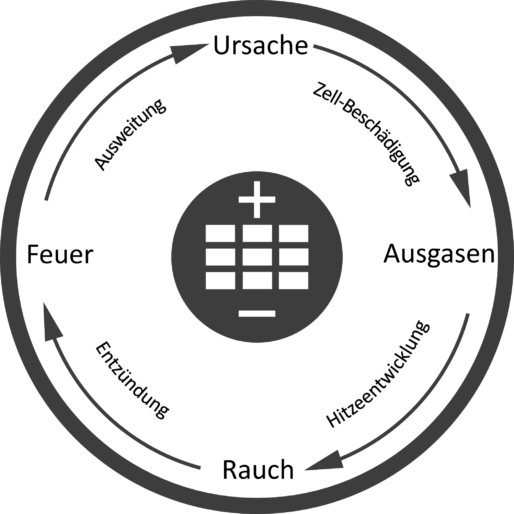
How does a lithium-ion battery fire develop?
Initial Cause
Local temperature increase at one or more cells.
Gas release
The increased temperature leads to an accelerated reaction within the battery cells. Small amounts of gas and cell vapours are released.
Smoke
The heat released further intensifies the process. This can lead to accelerated release of the electrolyte or even decomposition of the electrode material. Smoke and additional heat are released.
Ignition
The process accelerates exponentially and the temperatures in the battery rise rapidly, affecting more and more battery cells. Ignition becomes more likely the higher the temperature rises and the longer the process continues unchecked.
What fire safety measures are in place for lithium-ion batteries?
Prevention
On average, 10-15 minutes elapse between outgassing and thermal runaway in a lithium-ion battery. If the small amounts of gas that escape from the battery cell during outgassing are detected early, there is a window of opportunity in which preventive measures can be taken.
Containment
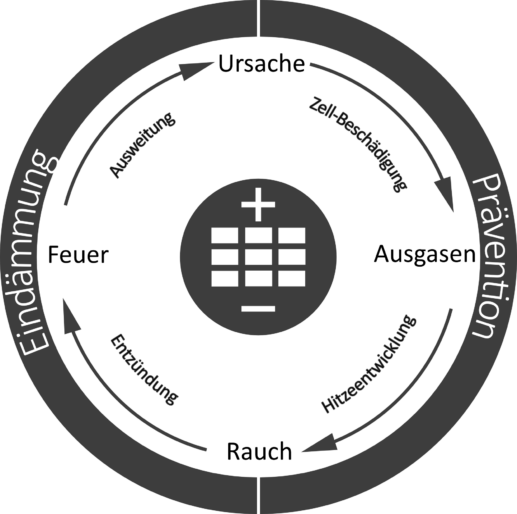
Innovative 360° fire protection concept for lithium-ion batteries
Stage 1: Li-ion Tamer
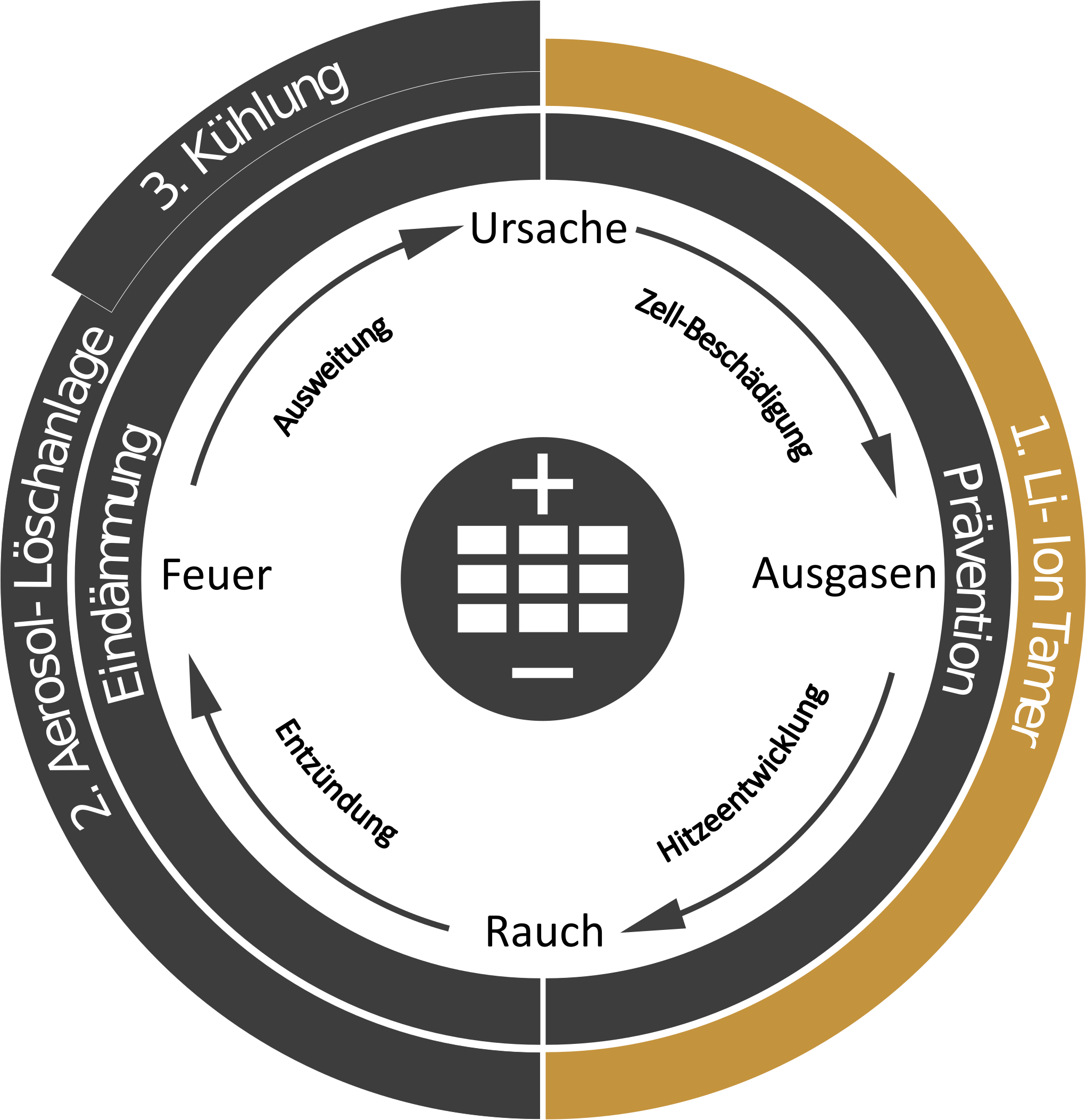
The Li-ion Tamer is the leading system for the early detection of outgassing events in lithium-ion batteries of all chemical types. Electrolyte vapours are reliably detected and reported, giving you the all-important window of opportunity to prevent worse damage.
How it works
With a response time of five seconds, even the smallest amounts of gas are detected, enabling an early warning to be issued to operators. The primary measure is to activate the battery management systems so that the power supply to the batteries can be switched off. This prevents a further increase in temperature in the battery cells at an early stage and keeps it below the point of thermal runaway.
Stage 2: AF-X Aerosol Fire Suppression System
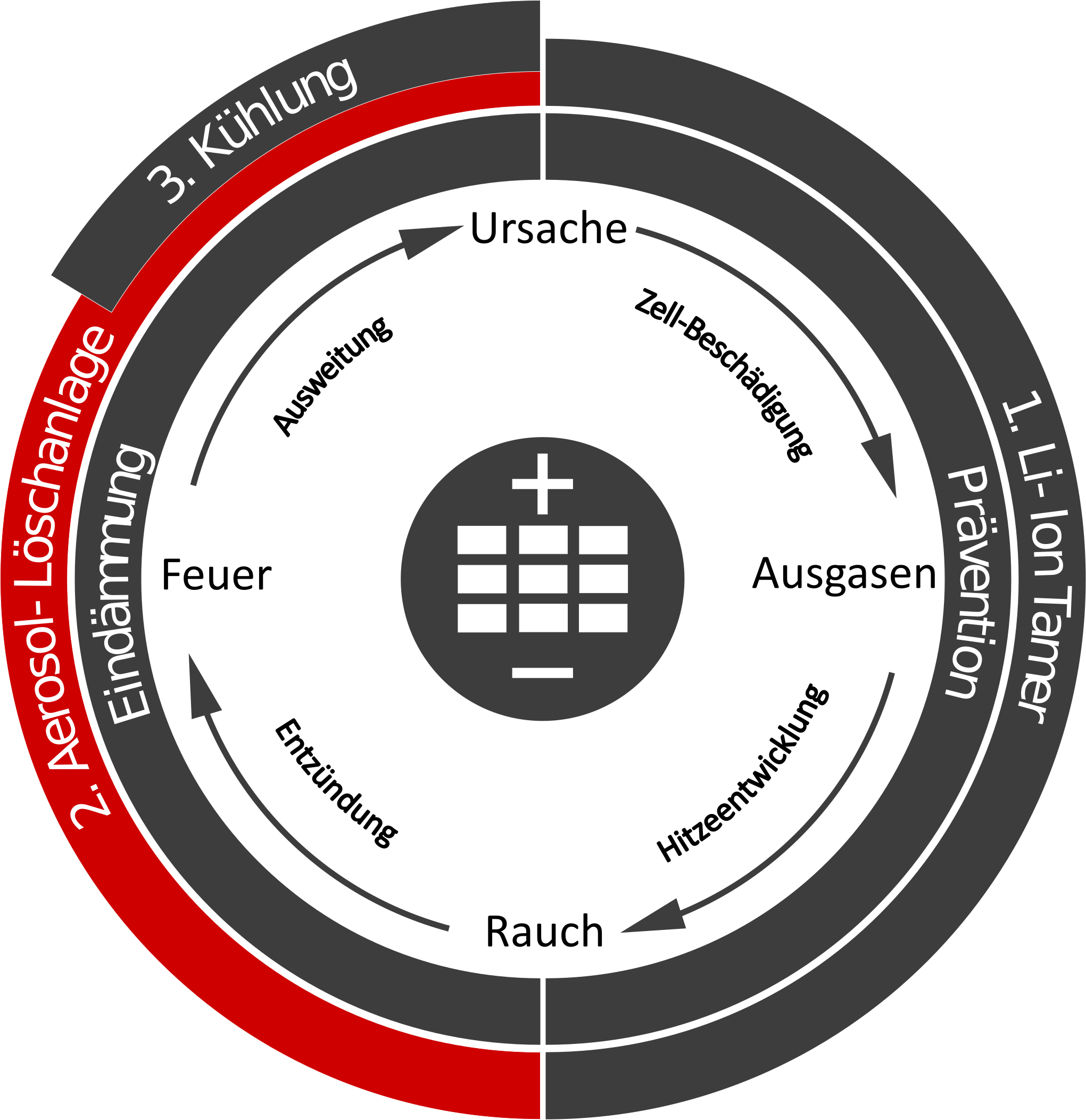
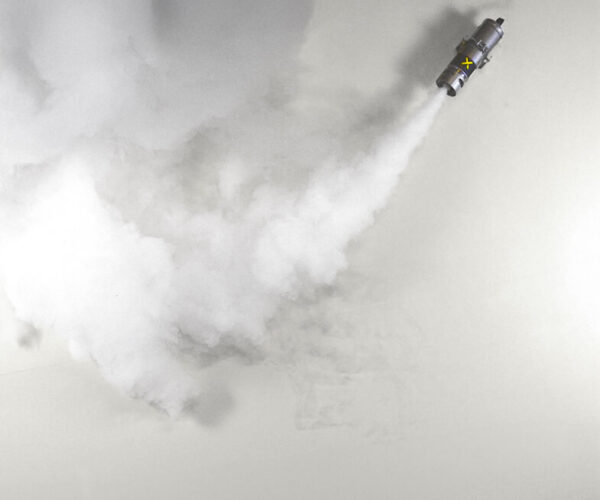
Aerosol fire suppression systems have repeatedly proven to be an effective system for containing thermal runaways. The aerosol creates an atmosphere in the room for an extended period in which no flames or fires can occur. This prevents uncontrolled temperature rise and effectively prevents the fire event from spreading to surrounding battery modules or infrastructure.
Stage 3: Cooling
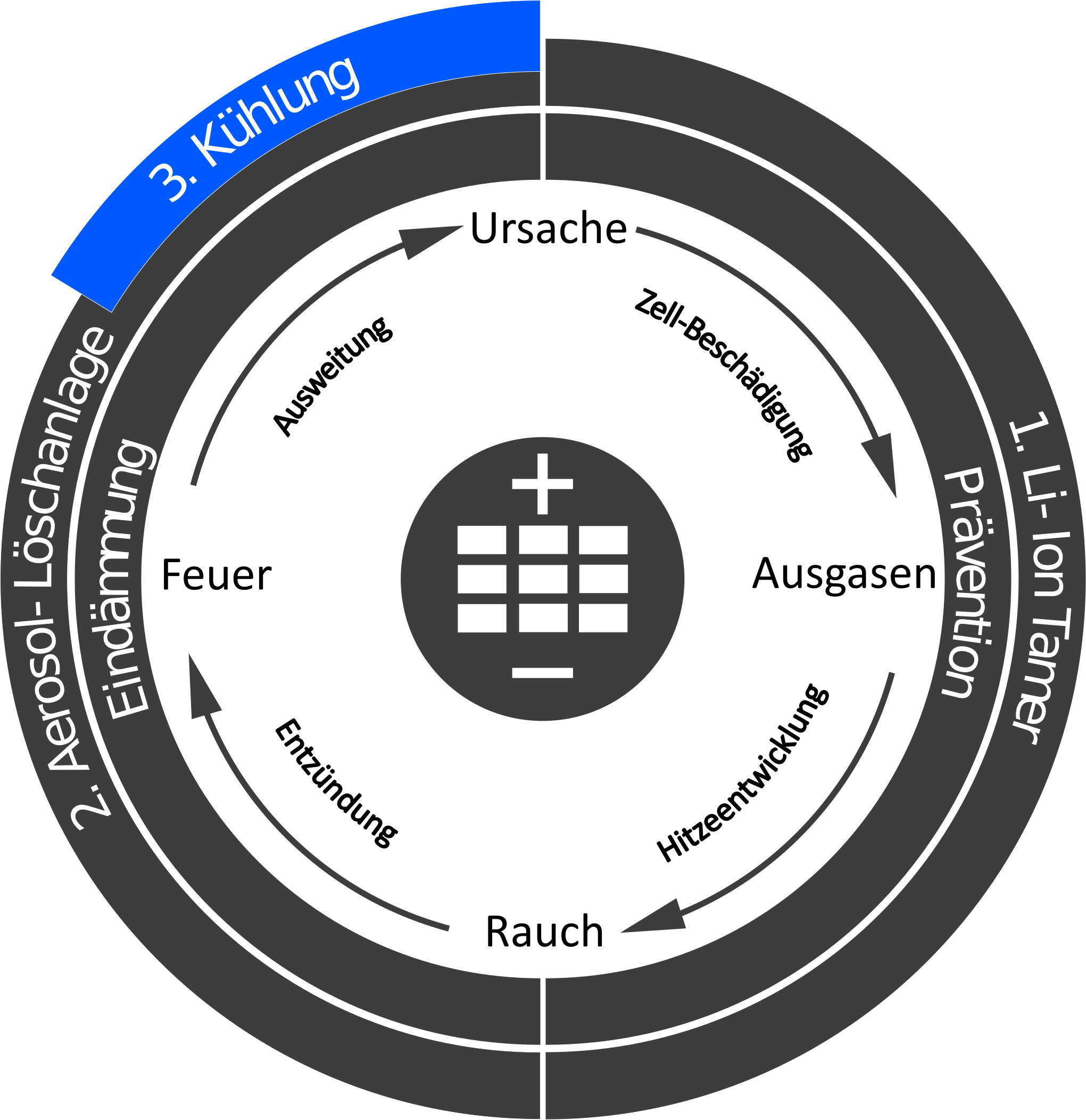
The combination of Li-ion Tamer and aerosol fire suppression system offers optimal possibilities for fire prevention and firefighting. Nevertheless, it lies in the arbitrary nature of a lithium-ion fire that not every process can be predicted exactly.
degesa fire systems therefore recommends installing a backup cooling option. Especially with large battery storage systems, it is important to limit heat development.
Function
High-pressure water mist systems are excellently suited as a cooling option due to their ability to contain heat radiation. Alternatively, for example, a filling nozzle for fire department extinguishing water can be installed.
The Li-ion Tamer is the leading system for the early detection of outgassing events in lithium-ion batteries of all chemical types. Electrolyte vapours are reliably detected and reported, giving you the all-important window of opportunity to prevent worse damage.
How it works
With a response time of five seconds, even the smallest amounts of gas are detected, enabling an early warning to be issued to operators. The primary measure is to activate the battery management systems so that the power supply to the batteries can be switched off. This prevents a further increase in temperature in the battery cells at an early stage and keeps it below the point of thermal runaway.
Aerosol fire suppression systems have repeatedly proven to be an effective system for containing thermal runaways. The aerosol creates an atmosphere in the room for an extended period in which no flames or fires can occur. This prevents uncontrolled temperature rise and effectively prevents the fire event from spreading to surrounding battery modules or infrastructure.
The combination of Li-ion Tamer and aerosol fire suppression system offers optimal possibilities for fire prevention and firefighting. Nevertheless, it lies in the arbitrary nature of a lithium-ion fire that not every process can be predicted exactly.
degesa fire systems therefore recommends installing a backup cooling option. Especially with large battery storage systems, it is important to limit heat development.
Function
High-pressure water mist systems are excellently suited as a cooling option due to their ability to contain heat radiation. Alternatively, for example, a filling nozzle for fire department extinguishing water can be installed.
360° Fire Protection Concept for Lithium-Ion Batteries
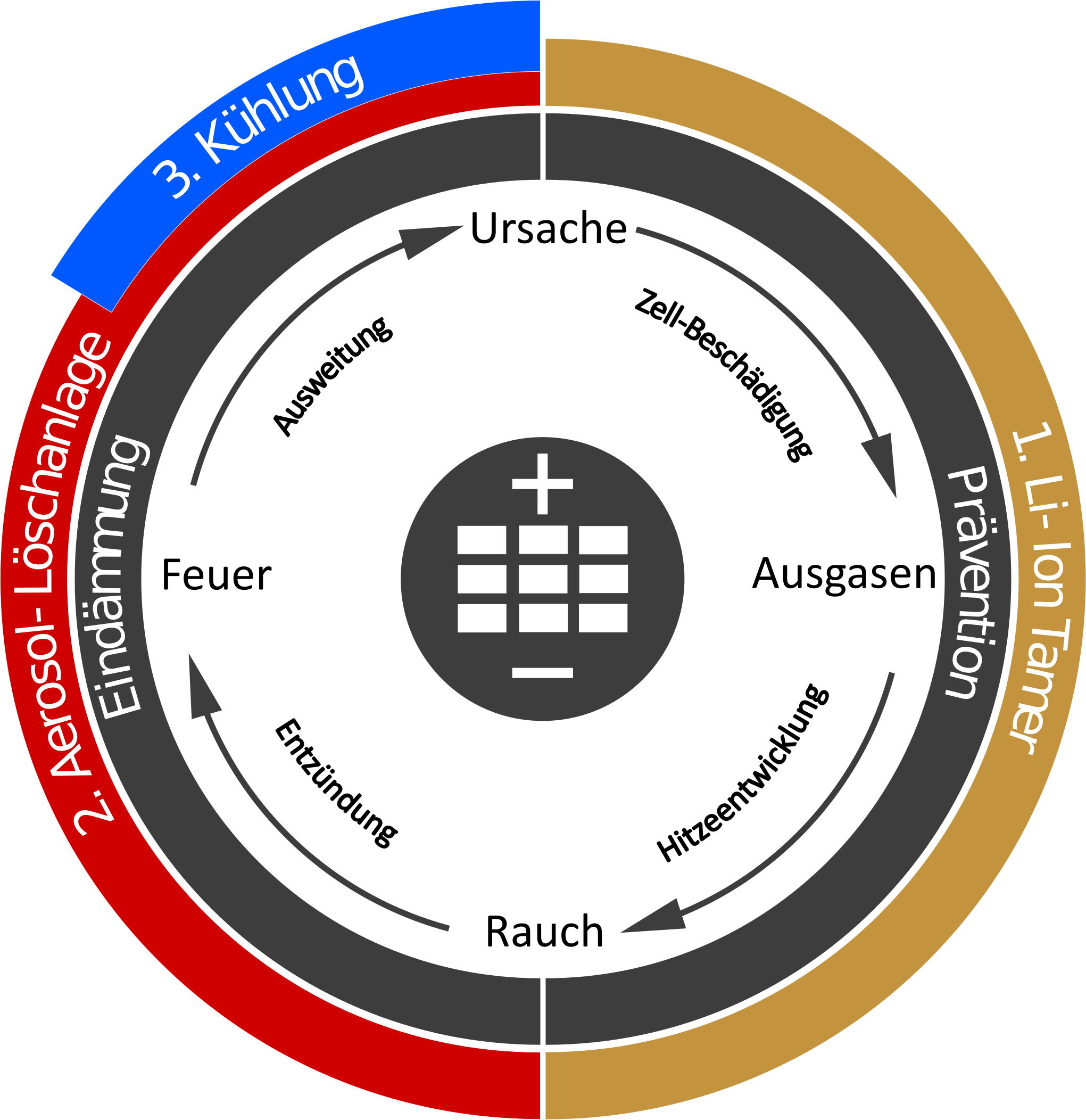
We would be happy to advise you on your application.