Fire suppression systems for units and generators
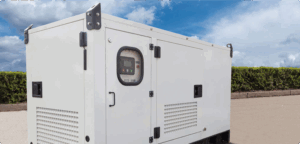
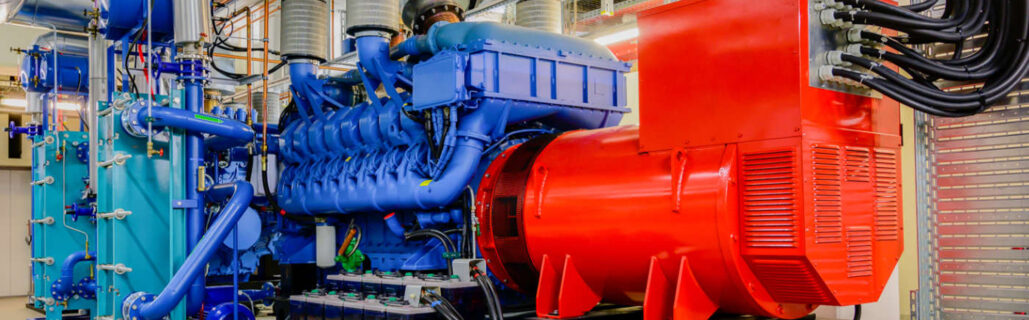
Generators and power units are particularly prone to fire due to the combination of hot components and highly flammable substances. Leaks and damage to the fuel supply can quickly lead to serious fires and extensive damage. Such damage is particularly likely to occur in mobile power units due to the mechanical stress involved in transport. Early detection and extinguishing of a fire is necessary to protect machinery, buildings and people. Many extinguishing agents cause extensive damage and contamination and pose a risk to human health. For this reason, many companies opt for safe and environmentally friendly alternatives.
Fire suppression systems for vehicles

Fires in vehicles can pose a major hazard to passengers and other road users. Statistics show that coaches in particular are at increased risk of fire, which is why the new EU regulation UNECE R107 stipulates the installation of fire suppression systems in local buses, intercity buses and coaches. Vehicles in passenger transport classes M2 and M3 must also be equipped with fire suppression systems to counteract the increased risk of fire.
According to Dekra’s analysis, approximately 80% of bus fires occur in the engine compartment. Dekra’s fire analyses conclude that in the vast majority of cases, fire suppression systems would have been triggered. Scalable fire suppression systems that can be installed directly in the engine compartment are the optimal solution for minimising damage and danger in the event of bus fires.
AF-X aerosol fire suppression systems for engines and engine rooms
Function of aerosol fire suppression systems
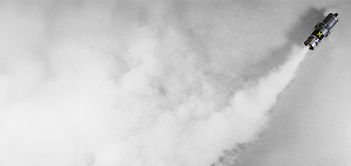
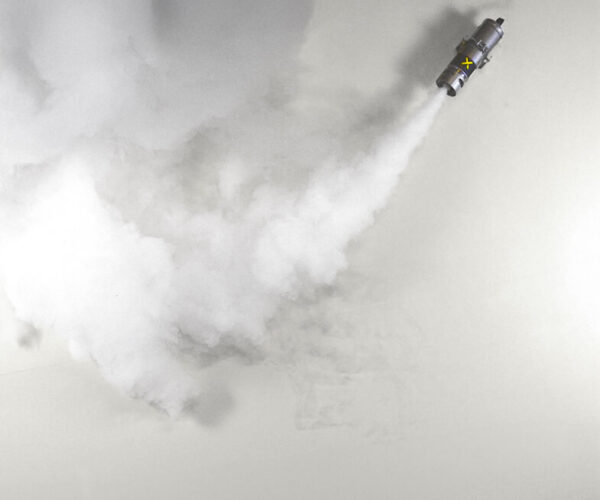
AF-X fire suppression systems extinguish fires by flooding the entire engine or machine room with a potassium aerosol, which interrupts the chain reaction of the fire at a chemical level. Fires are thus extinguished within seconds and cannot reignite as long as the aerosol remains in the room. The extinguishing agent is installed in high-quality, extremely robust stainless steel housings directly in the engine compartment, eliminating the need for piping, cylinder rooms or extinguishing water retention systems. This means that maintenance requirements are extremely low compared to water mist or gas extinguishing systems.
What are the advantages of aerosol fire suppression systems for engines and engine rooms?
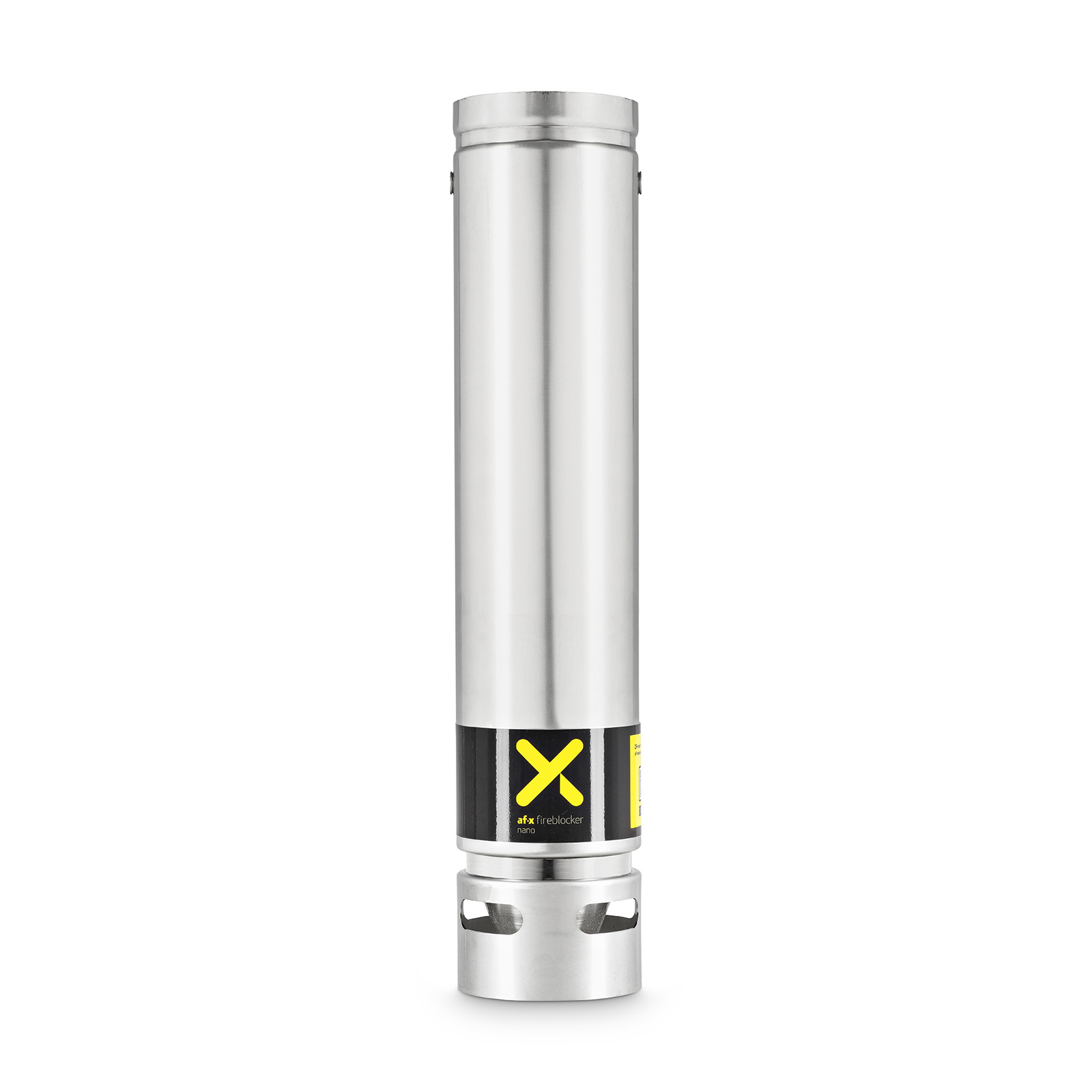
AF-X aerosol fire suppression system
- Low installation and maintenance costs
- Extinguishing agent is installed unpressurised and directly in the engine compartment.
- Scalable for every application, from emergency power generators to high-performance sports cars
- Long service life of up to 15 years
- Non-toxic, non-corrosive, non-electrically conductive (tested up to 40,000V)
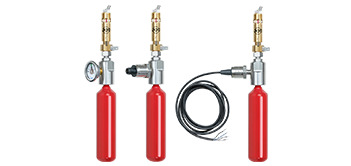
- Manual, thermal or electrically triggered